
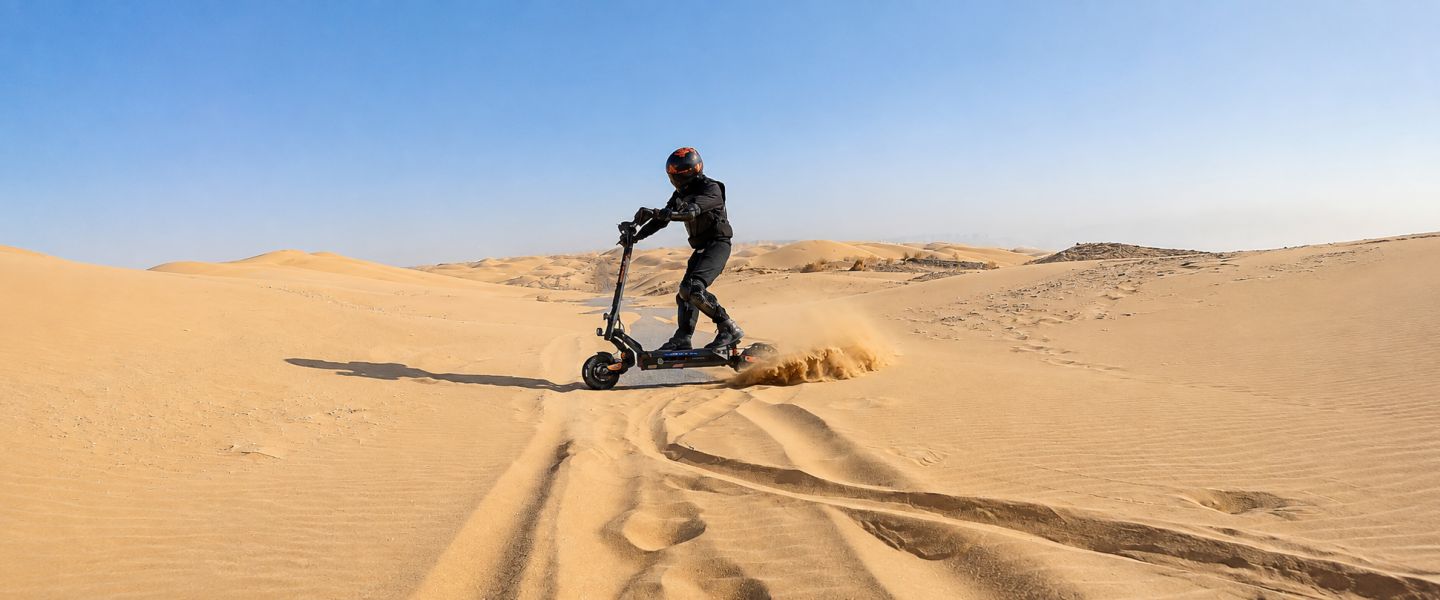
Will it make it up my hill? That's one of the first questions people ask before buying an electric scooter, and it's a fair one. European cities are not flat. Lisbon, Edinburgh, Zurich, plenty of commuter routes include a climb somewhere.
The short answer is yes, most e-scooters handle hills. But how well depends on the motor, the battery, the rider and the slope. Here's what actually matters.
What Makes an E-Scooter Climb
Climbing power comes from the motor, measured in watts. But the number on the box is not the whole story.
Rated power is what the motor can sustain over time; peak power is the short burst it delivers for a steep start. A scooter with 500W rated power climbs gentle slopes without drama. At 800W, moderate hills start to feel easy. At 1000W and above, you can take on the kind of climbs that make drivers change down a gear. Dual-motor models, like the KuKirin G2 Master Electric Scooter, spread the work across both wheels, which helps on steeper, rougher climbs.
Battery voltage matters too. A 48V or 52V system feeds more current to the motor than a lower-voltage one, and you notice it exactly where you need it: going uphill.
Then there's the stuff no spec sheet tells you. Your weight, the gradient, the road surface, even how full the battery is. A scooter climbs best with a full battery and tyres at the right pressure. Half-charged, on a wet road, with a loaded backpack, the same hill feels a lot steeper.
What the Numbers Mean for Your Commute
Let's make it practical. Commuter hills in most European cities fall into two groups: steady, moderate climbs and short, sharp ones.
For steady moderate climbs, an 800W scooter like the KuKirin G2 is genuinely fine. You'll feel the speed drop on the way up, but you'll get up.
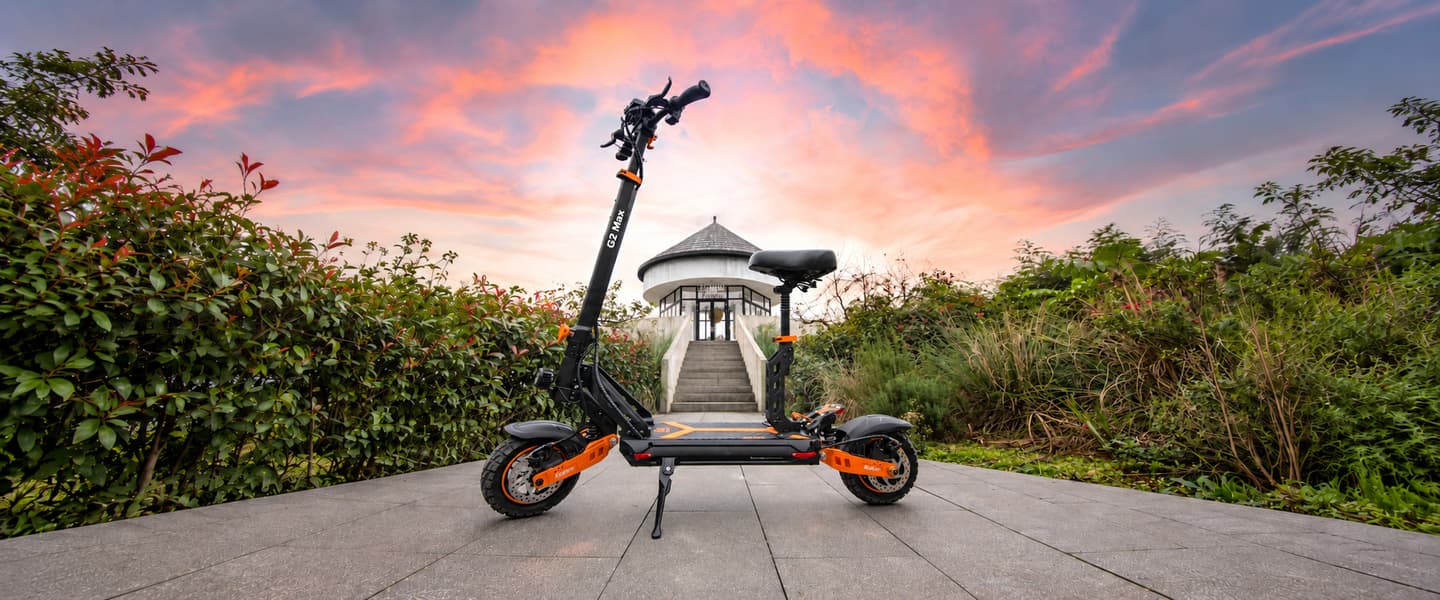
For longer or steeper hills, or a commute that is mostly uphill, the KuKirin G2 Max Electric Scooter with its 1000W motor gives you more headroom. You'll hold a higher speed uphill and drain less battery doing it.
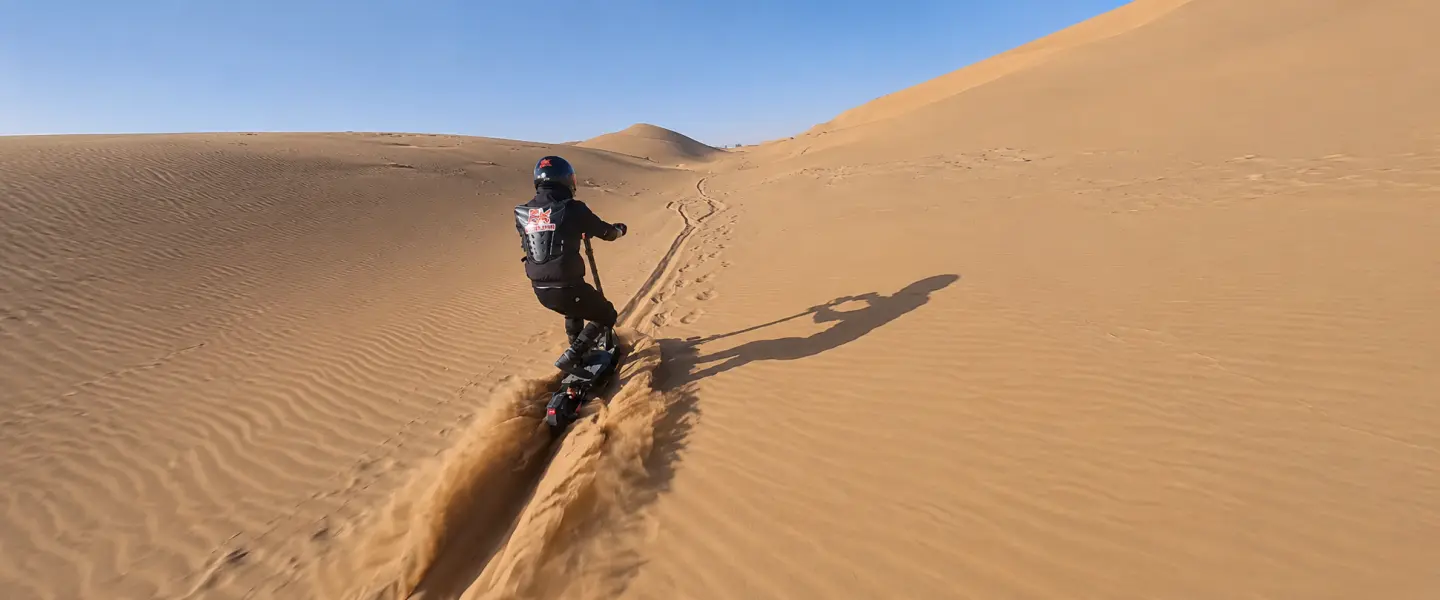
If your idea of a hill is a mountain pass or a muddy trail, that's what dual-motor scooters are for. The KuKirin G2 Master is built for steep, loose, off-road climbs, not just paved streets.
The Honest Part: Hills Cost You Range
Here's the trade-off nobody likes to talk about. Climbing drains the battery noticeably faster. A flat route might come close to the advertised range; a hilly one will give you less, sometimes a lot less. If your commute is uphill, plan for it. Charge fully, and don't trust range figures from flat-city reviews.
Keep expectations realistic on speed as well. A scooter's top speed is quoted on flat ground. Going uphill, that number drops. That's physics, not a fault.
How to Choose for Your Route
Before you buy, look at your actual route. Is it one long climb, or a few short hills? A map app will show the elevation. As a rough guide, most 800W and above scooters handle gradients under about 6-8%. Steeper than that, or long sustained climbs, and you want 1000W or a dual-motor model.
And be honest about the load. How heavy is everything you'll carry, and how many hills sit between you and work? Those two questions answer more than any wattage figure ever will.
If you're ready to pick, KuKirin covers the range: the KuKirin G2 Electric Scooterfor everyday city hills, the G2 Max for longer and steeper commutes, and the G2 Master if the trail is calling. Orders are tax-free with free shipping, backed by after-sales warranty, and for EU countries generally arrive within 4 to 7 business days after dispatch. Measure your route first, then choose. A scooter that fits your hills is one you'll actually enjoy riding.
Sunny