
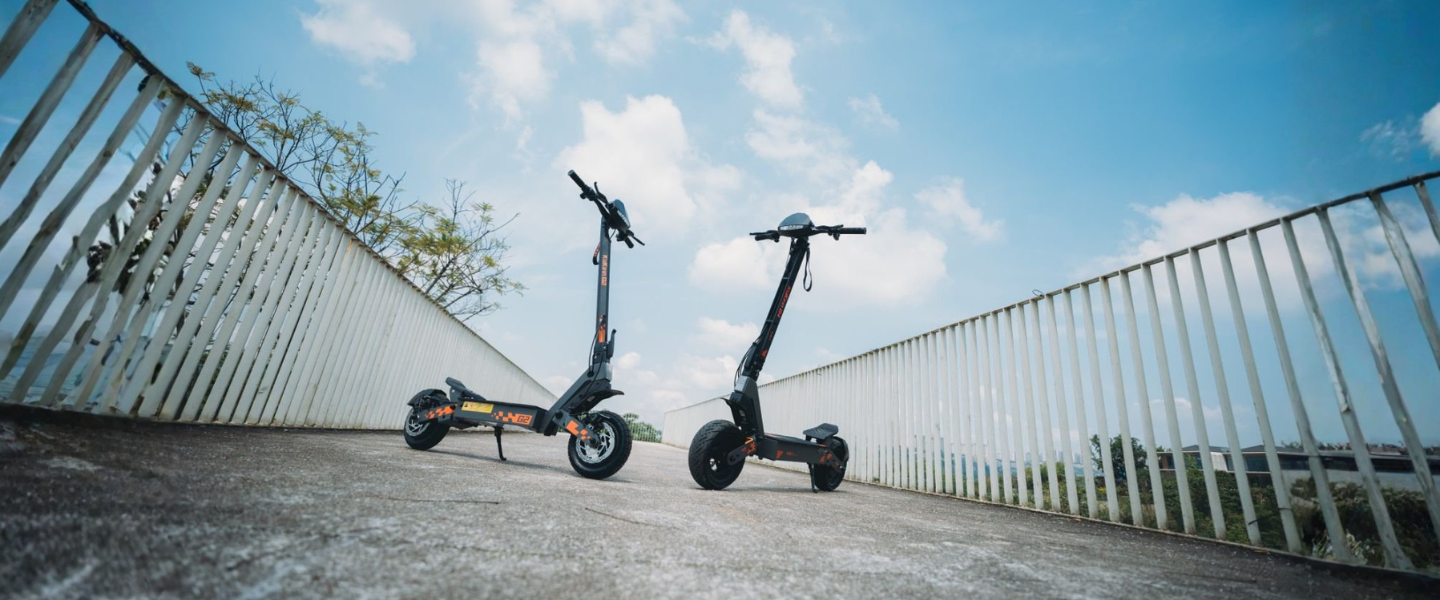
Summer is perfect for electric scooter rides, but high temperatures can put extra stress on the battery, motor, tires, and electronics. Whether you commute on a KuKirin G2 or take longer rides with a G2 Master or G4, a few simple habits can help protect your scooter in hot weather.
Why Electric Scooters Get Hot in Summer
Electric scooter batteries and motors naturally generate heat while riding. Hot weather, steep hills, long trips, and frequent acceleration can increase that heat further.
Direct sunlight can also heat the deck, display, grips, tires, and other exterior components. Over time, repeated heat and UV exposure may contribute to premature wear.
This is especially worth considering with higher-performance scooters such as the KuKirin G2 Master and KuKirin G4, which may be used for faster or more demanding rides.
Signs Your E-Scooter May Be Overheating
Watch for changes in how your scooter normally performs, including:
An unusually hot deck or battery area
Reduced acceleration or power
Unexpected speed limitation
Warning lights or error codes
Excessive heat while charging
Unusual smells, swelling, or smoke
If something feels abnormal, stop riding, turn off the scooter, and let it cool naturally in a shaded, well-ventilated area.
-2.jpg?w=1440&h=600)
How to Prevent Overheating
Keep Your Scooter Out of Direct Sun
Whenever possible, park indoors, under covered parking, or in the shade. Avoid leaving your scooter inside a hot car for extended periods.
For daily commuters using models such as the KuKirin G2, finding shaded parking at work can make a simple but useful difference during summer.
Ride Smoothly
Aggressive acceleration, steep climbs, and prolonged high-speed riding increase demand on the motor and battery.
If you're riding a more powerful model such as the G2 Master or G4, use smooth acceleration and consider reducing your pace on extremely hot days.
Take Breaks on Long Rides
Longer rides mean the battery and motor remain under load for longer.
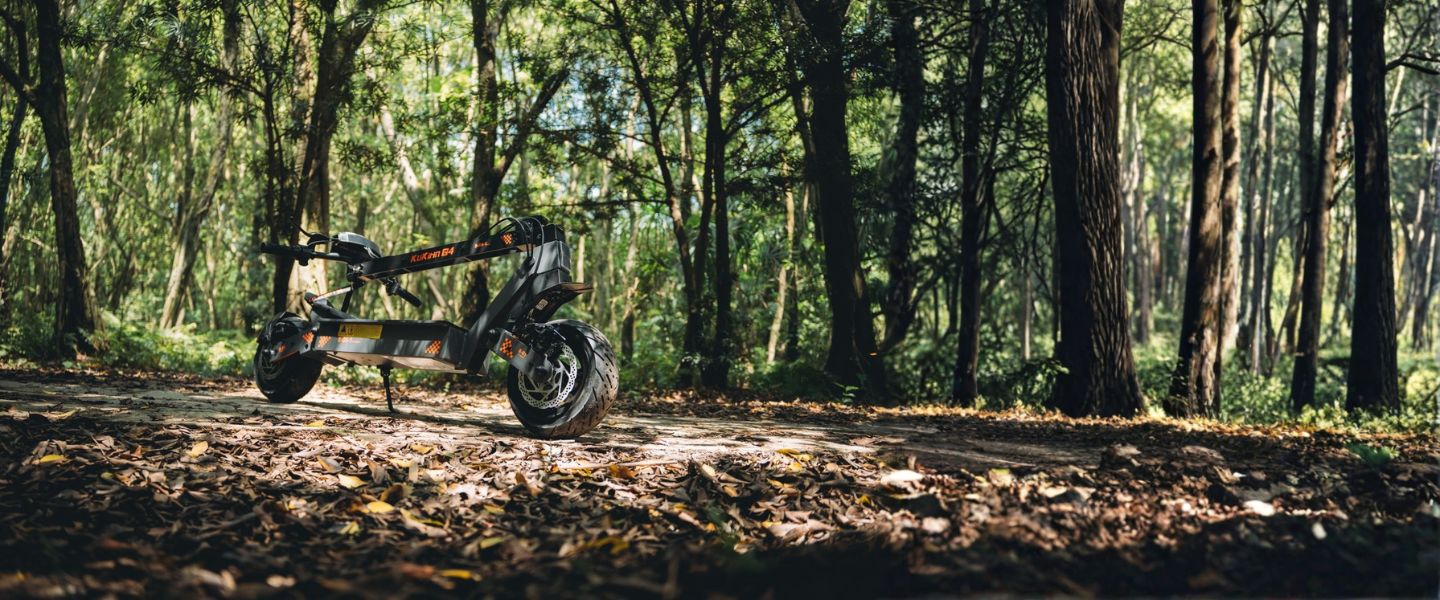
When taking a KuKirin G2 Max, G2 Master, or G4 on a longer summer trip, occasional stops in shaded areas give both you and your scooter a chance to cool down.
Don't Charge Immediately After a Hot Ride
After a demanding ride, the battery may still be warm.
Move your scooter to a dry, shaded, well-ventilated location and allow it to cool before charging according to your model's instructions.
Always use the correct charger and avoid charging in direct sunlight or excessive heat.
Quick Summer Maintenance
Regularly check:
Tires and tire pressure
Brakes
Battery and charging port
Motor area
Electrical connections
Suspension and folding mechanism
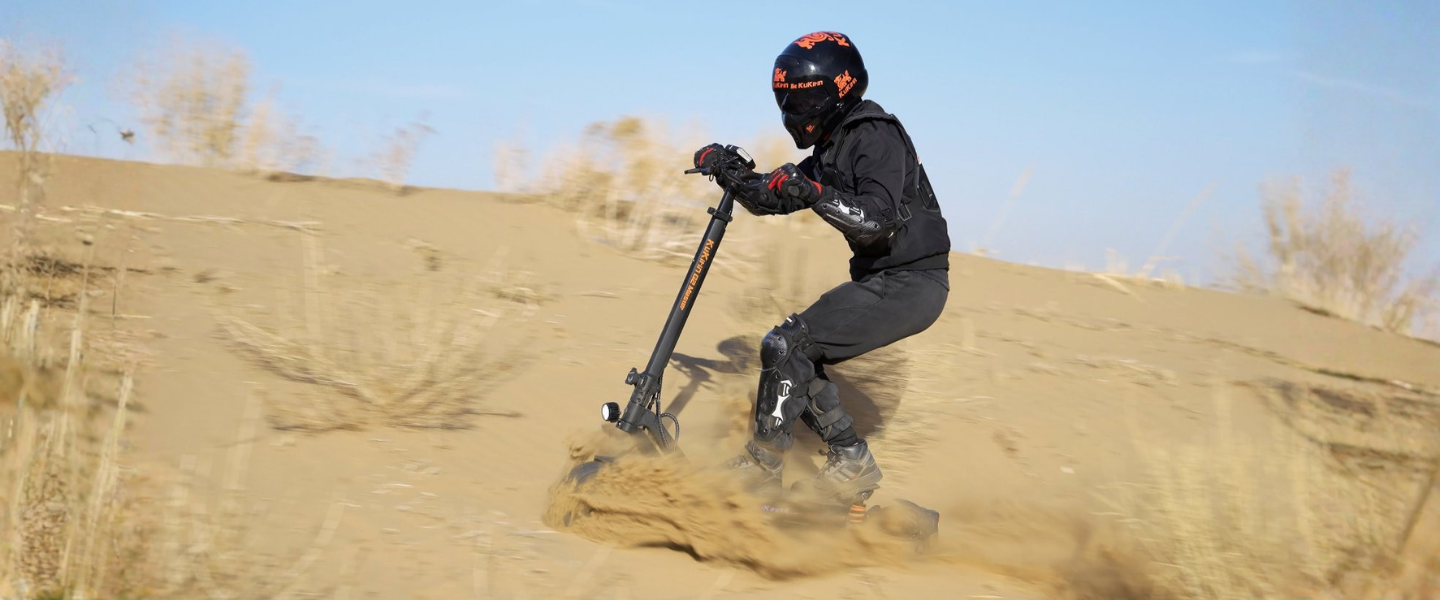
After off-road rides—particularly on models such as the KuKirin G4—remove dirt and debris and inspect the scooter before your next trip.
KuKirin Models for Different Summer Rides
The KuKirin G2 is a balanced choice for everyday commuting, featuring an 800W motor, up to 45 km/h speed, and up to 55 km range.
For riders who want longer trips, the KuKirin G2 Max provides greater long-distance versatility.
The KuKirin G2 Master steps up to dual 1000W motors, up to 60 km/h speed, and up to 70 km range, making it suitable for riders looking for stronger performance.
For more demanding terrain, the KuKirin G4 features a 2000W motor, up to 70 km/h speed, up to 75 km range, and 11-inch off-road tires.
Whichever model you ride, hot-weather care follows the same basic principles.
Enjoy Your KuKirin All Summer
Keeping your electric scooter protected from summer heat doesn't have to be complicated.
Park in the shade, ride smoothly, take breaks during demanding trips, and let the scooter cool before charging.
These simple habits can help protect your KuKirin's battery, motor, tires, and electronics while keeping it ready for your next summer ride.
Note: Maximum speed and range may vary depending on riding conditions, rider weight, terrain, temperature, battery condition, and other factors. Always follow your model's user manual and local regulations.
AILICO