
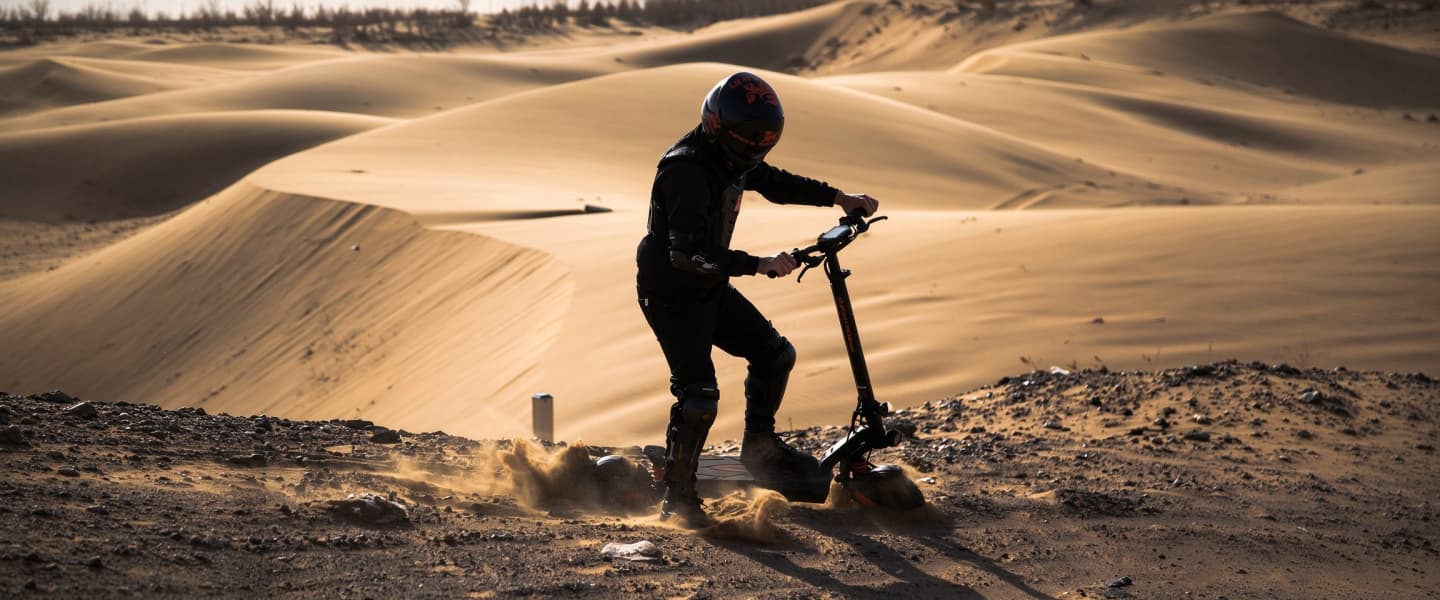
Scooter specifications are usually measured under ideal conditions, but one factor can change almost everything: rider weight. A 95 kg rider on an 800W scooter will not get exactly the same experience as a 65 kg rider. Range can drop, acceleration may feel softer, hills become harder, and the suspension has more work to do. These differences are not always obvious from the headline specifications.
That is why choosing a KuKirin e‑scooter collection for heavier riders is not simply about finding the biggest motor or highest top speed. The better question is: how much performance does the scooter still have at your actual riding weight?
How Rider Weight Changes Real-World Performance
Range is one of the easiest changes to notice. Manufacturer range figures are usually measured with a lighter rider, moderate speeds and ideal road conditions. A heavier rider requires more energy to accelerate and climb hills, so real-world range can be noticeably lower.
Acceleration is affected too. A motor that feels quick with a lighter rider may feel less responsive when carrying more weight, especially when starting from a stop or climbing. Braking also matters. More total weight means more momentum, so heavier riders should pay attention to the complete braking system rather than focusing only on motor power.

Three Numbers That Matter Most
- Maximum Load
The first number to check is the scooter's e-scooter weight capacity. Remember that maximum load normally includes the rider and anything they carry. More importantly, maximum load is a limit, not a target. A scooter rated for 120 kg may support a 120 kg rider, but performance can still change as you approach that limit. Leaving some weight headroom is preferable whenever possible.
- Motor Power
Peak power looks impressive, but it does not tell the whole story. For heavier riders, useful power during acceleration and climbing matters more than a single peak figure.
- Battery Capacity
A larger battery cannot eliminate range loss, but it gives you more energy to work with. This can be especially useful for longer commutes, hills and stop-and-go riding.
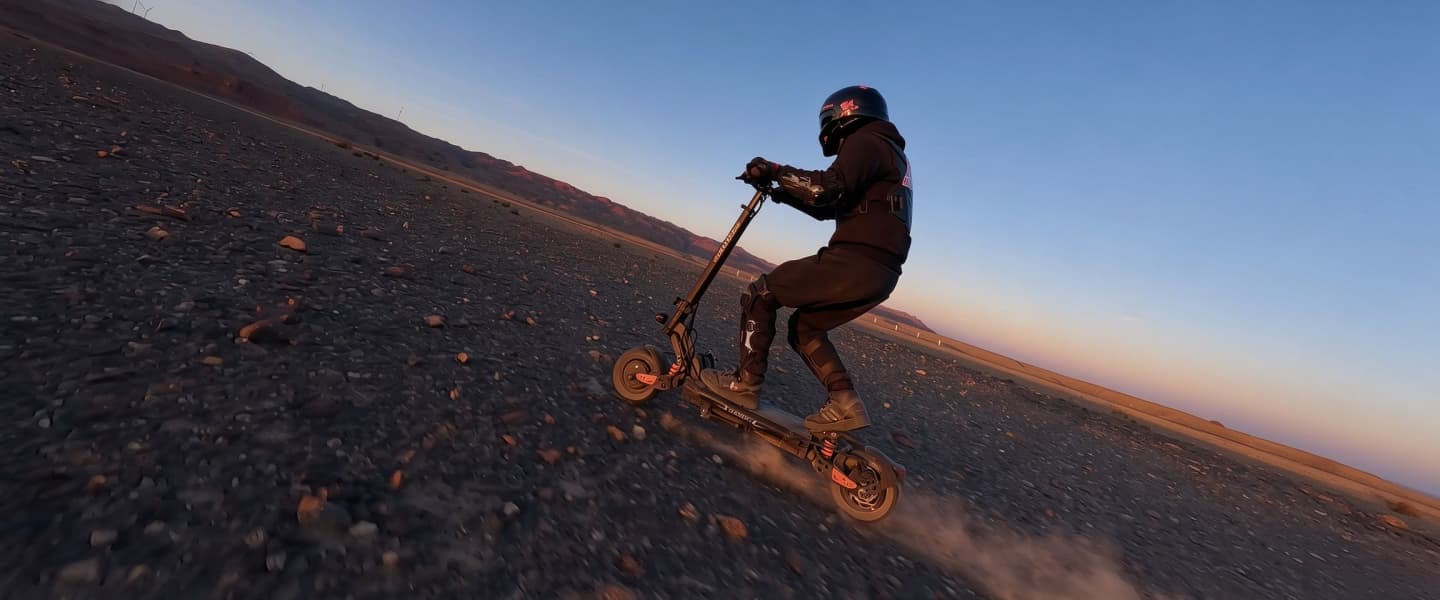
Frame, Suspension and Brakes Matter Too
For heavier riders, a solid frame, wide deck and capable suspension are more than comfort features. They help provide a more stable and controlled ride.
Tyres matter as well. Correct tyre pressure supports handling and grip, while regular brake and tyre checks become even more important under heavier loads.
What This Means for KuKirin Riders
KuKirin's EU range includes several models worth considering, including the G2 Electric Scooter, G2 Max, G2 Master and G2 Ultra.
The G2 and G2 Max are practical options for everyday riding, while the G2 Master offers a more performance-focused setup with dual 1000W motors, a 52V 20.8Ah battery and front and rear hydraulic suspension. The G2 Ultra is another option for riders looking for stronger performance and longer-distance capability.
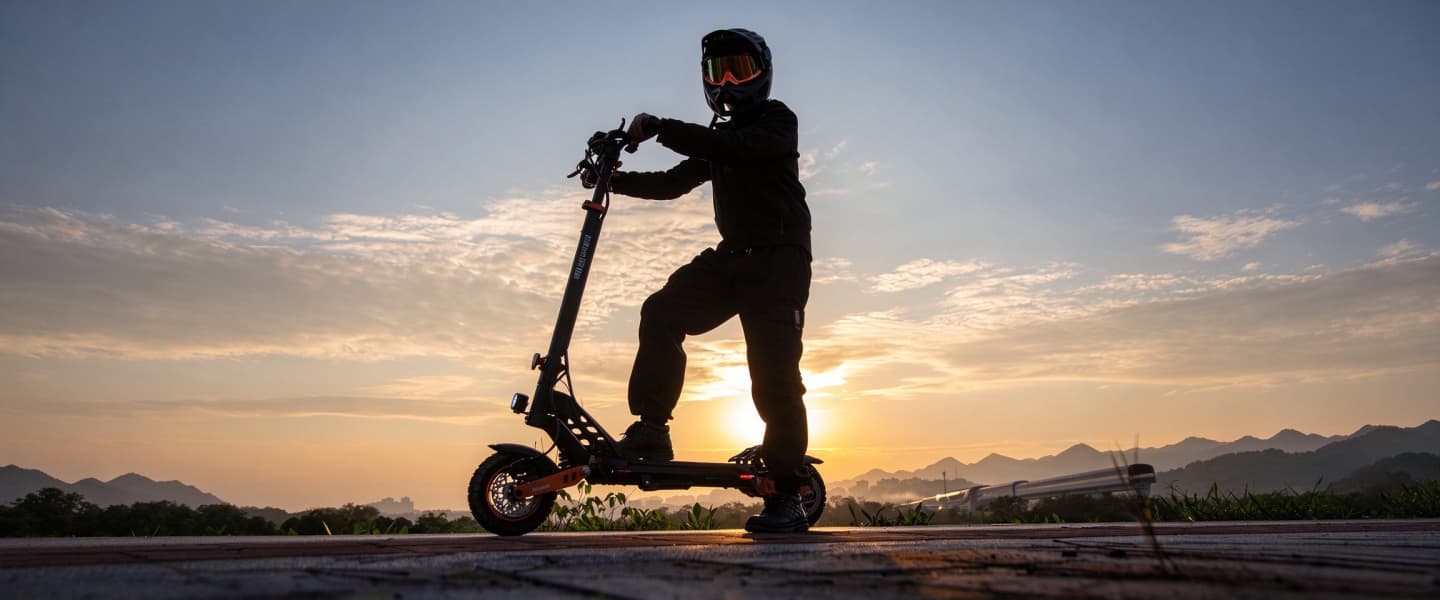
These models are currently listed with a 120 kg maximum load. Treat this figure as a limit rather than a guarantee of identical performance at every weight, and always check the latest product specifications before ordering.
Final Takeaway
Choosing an electric scooter for heavier riders is not about finding the biggest number on a specification sheet. Motor power, battery capacity, maximum load, braking and suspension all matter.
Choose a scooter that still has enough performance headroom for your actual weight and riding conditions.
Don't buy the scooter that performs best on paper. Buy the one that performs best for you.
Sunny